What is a microcontroller?
www.yzokul.com.tr
- Category AI Resources
- Format PDF
- Size 6.8 MB
- Added 01.11.2026
- Views 2
This book answers the question of what a microcontroller is, starting from zero for complete beginners. It follows a simple path: first it explains that a microcontroller is a small computer on a single chip that combines a processor, memory, and input-output features. Then it shows how it manages specific device tasks, like reading buttons on a toy and controlling lights and a motor. Finally, it compares it to desktop computers, noting more limited resources but useful low energy use and direct hardware control.
Read the Book
If the PDF does not appear, open it in a new tab.
A Chapter from the Book
What is a microcontroller? www.yzokul.com.tr
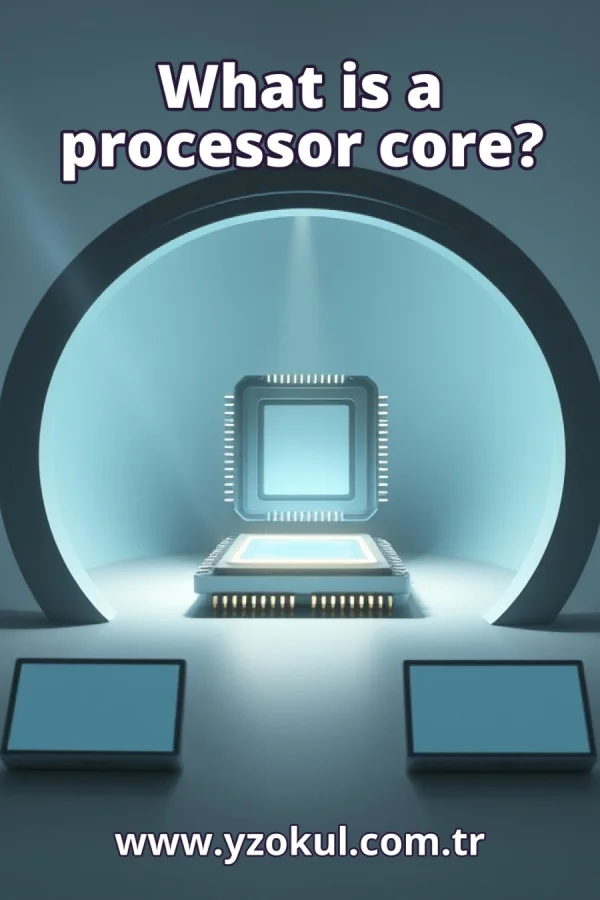
A microcontroller is a small computer on a single chip. That one sentence is the short answer to the question. It means that all the main parts of a computer are packed together into one tiny piece of silicon. This chip can run simple programs and control other devices. Keep this picture in mind as you learn more. 1
Imagine a whole small computer squeezed onto one single chip. It is not a big box like a desktop computer; it is one small part that you can hold in your hand. This chip contains everything needed to do a small computing job. It is called a microcontroller because it controls things and is tiny. Think of it as a computer shrunk down to a chip. 2
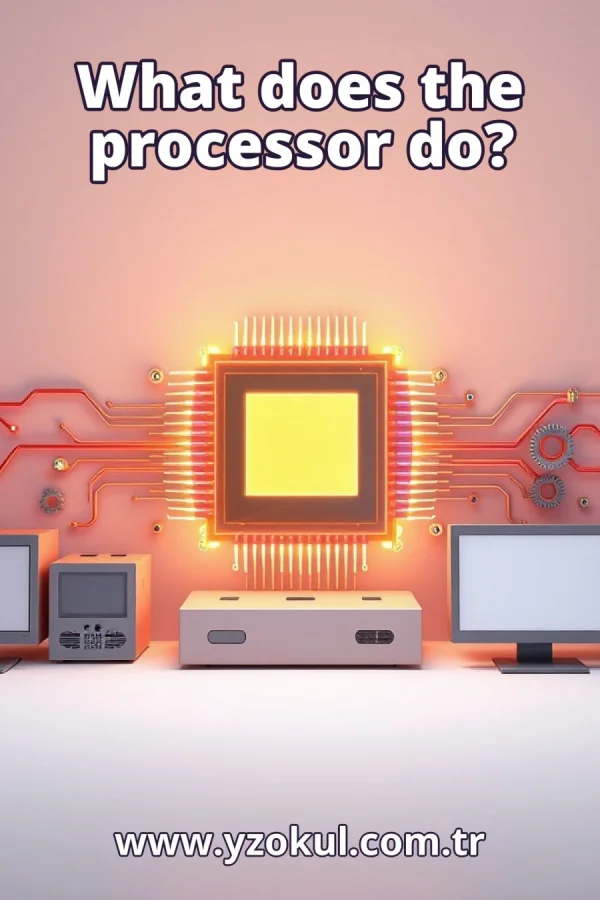
The processor is the part of the microcontroller that does the thinking. It carries out instructions step by step, like following a recipe. Inside the chip, the processor reads a list of commands and performs each one in order. It is the brain that makes the microcontroller work. Without the processor, nothing would happen. 3
Memory stores the instructions that the processor follows and the small pieces of data it works with. Without memory, the processor would have nothing to do because it would have no instructions to run. Memory keeps the program and the data safe while the chip is working. It is like a notebook where the processor looks up what to do next. Memory is essential for any computer, including a microcontroller. 4
Input-output features let the chip receive signals from the outside world and send signals out. Input means signals coming in, like when you press a button. Output means signals going out, like turning on a light. These features are how the microcontroller touches real things. They connect the chip to buttons, lights, motors, and sensors. 5
A microcontroller combines three things on one chip: a processor, memory, and input-output features. That combination is what makes it a microcontroller. All three parts work together inside the same tiny package. The processor runs programs stored in memory and uses input-output to interact with the world. This single-chip design is the key idea. 6
A microcontroller is made to run one device's specific job, not everything at once. It does a focused task again and again, reliably. For example, it might control a washing machine's cycle or a toy's actions. It is not a general-purpose computer like a laptop. Its job is to manage a particular device well. 7
Consider a toy with buttons. The microcontroller reads the buttons a child presses. When a button is pressed, an electrical signal goes into the chip through its input features. The chip detects this signal and knows which button was pressed. This is how the microcontroller senses what is happening in the toy. 8
After reading the button, the microcontroller can turn lights on or off and spin a motor. It sends electrical signals out through its output features. These signals control the lights and the motor. For example, pressing a button might make a light flash and a motor turn. This shows output control in action. 9
The whole process forms a simple loop: a button press comes in, the processor decides what to do, and then the light and motor respond. This loop repeats continuously while the toy is on. The microcontroller manages the task by constantly checking inputs and setting outputs. That is what managing a task means: handling the device's actions reliably. 10
A desktop computer is a large machine with many parts, while a microcontroller is a tiny chip. Both are computers, but the microcontroller is much smaller and simpler. A desktop can run many programs at once; a microcontroller usually runs one program for one device. They serve different purposes: desktop for general work, microcontroller for dedicated control. 11
A microcontroller generally has more limited resources than a desktop computer. Its memory is smaller, and its processor is less powerful. These limits are on purpose: they keep the chip small and cheap. The microcontroller does not need to run big programs; it only needs to handle its specific task. Limited resources are a design choice, not a flaw. 12
Small size brings a real benefit: low energy consumption. A microcontroller can run a long time on little power, often using a small battery. This makes it perfect for devices that need to operate for months or years without recharging. Low energy use also means less heat and longer life. It is a key advantage for embedded systems. 13
The microcontroller can control hardware directly. It talks straight to buttons, lights, and motors without extra layers. This direct connection makes it fast and efficient for real-time control. There is no operating system in the way; the chip's program interacts with the hardware immediately. That is why microcontrollers are used in devices that need quick responses. 14
A common mistake is to think a microcontroller is a full desktop computer. It is not; it is much smaller and simpler. Another mistake is to think that limited resources make it useless. In fact, small and limited is exactly the point: it is designed for specific tasks where a full computer would be overkill. Understanding this helps you see its value. 15
To sum up, a microcontroller is a small computer on one chip with a processor, memory, and input-output. It is made for specific device tasks, like reading buttons and controlling lights and motors. Remember its limited resources, low energy use, and direct hardware control. These traits make it ideal for dedicated control in everyday devices.
This section is a preview taken from the book (about 941 words). To continue, read the book or download the PDF.
Book Details
- Book
- What is a microcontroller?
- Author
- www.yzokul.com.tr
- Category
- AI Resources
- Language
- English
- Format
- PDF · 6.8 MB
- Pages
- 18
- Words
- about 942
- Published
- kaynak.yzokul.com.tr · 01.11.2026
- Access
- Free to read and download; for personal use only, all rights belong to the author.
Frequently Asked Questions
Is the PDF of What is a microcontroller? free?
Yes. What is a microcontroller? can be read and downloaded for free on this site; no sign-up or payment is required.
How many pages is What is a microcontroller??
What is a microcontroller? has 18 pages and about 942 words.
Which devices can I read What is a microcontroller? on?
It is a PDF; you can read it in your browser on a phone, tablet or computer, or download it and open it offline.
Who is the author of What is a microcontroller??
What is a microcontroller? was written by www.yzokul.com.tr; it is listed in the AI Resources category.